The application of Light Emitting Diode (LED) technology to chandelier fixtures represents a significant evolution in decorative and functional lighting. Integrating LEDs directly into the design of these luminaires offers a blend of aesthetic sophistication and modern efficiency. This article examines the characteristics, benefits, and considerations associated with LED integrated chandelier fixtures, providing a comprehensive overview for individuals seeking to illuminate their spaces with these contemporary solutions.
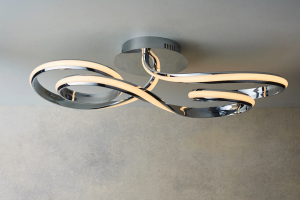
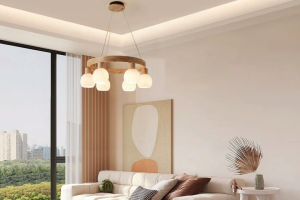
At its core, an LED integrated chandelier Mezohome fixture is a decorative ceiling-mounted lighting apparatus that utilizes Light Emitting Diodes as its primary light source, with these diodes being an intrinsic part of the fixture’s structure rather than separate bulbs. Unlike traditional chandeliers that rely on incandescent or halogen bulbs, LED integrated models feature LED chips or strips embedded within the fixture’s materials, such as metal, crystal, or acrylic. This integration allows for a more streamlined and often minimalist design, moving away from the bulky sockets and prominent bulb housings of older styles.
Evolution from Traditional Chandelier Forms
Traditional chandeliers often were cast from brass, bronze, or iron, adorned with glass or crystal elements, and designed to hold multiple bulbs. The purpose was to provide significant illumination for large spaces while also serving as a centerpiece. The advent of LED technology has liberated designers from the physical constraints of bulb size and heat dissipation associated with older technologies. This has led to a broader spectrum of design possibilities, from intricate, sculptural forms to sleek, geometric patterns.
The Role of Bulb Replacement in Past Designs
Historically, chandelier maintenance involved the frequent replacement of burnt-out bulbs. The accessibility of these bulbs was a practical consideration in fixture design. With LEDs, the light source is designed to last for tens of thousands of hours, often outlasting the fixture itself. This shift from a consumable light source to a long-lasting, integrated component fundamentally alters the maintenance needs and lifespan expectations of decorative lighting.
The Nature of Integrated LED Technology
LEDs operate on a semiconductor principle, emitting light when an electric current passes through them. In integrated fixtures, these semiconductors are often arranged in arrays or strips and are typically encapsulated to protect them and diffuse light. The design aims to distribute light evenly and elegantly, mimicking or enhancing the visual impact of traditional chandeliers.
Semiconductor Light Emission Principles
The process of electroluminescence in LEDs involves electrons and holes recombining within a semiconductor material, releasing energy in the form of photons (light). The color of the light emitted is determined by the band gap of the semiconductor material. For white light, a blue LED is often used in conjunction with a phosphor coating that converts some of the blue light into yellow and red wavelengths, a combination perceived as white.
Diffused vs. Direct LED Light Output
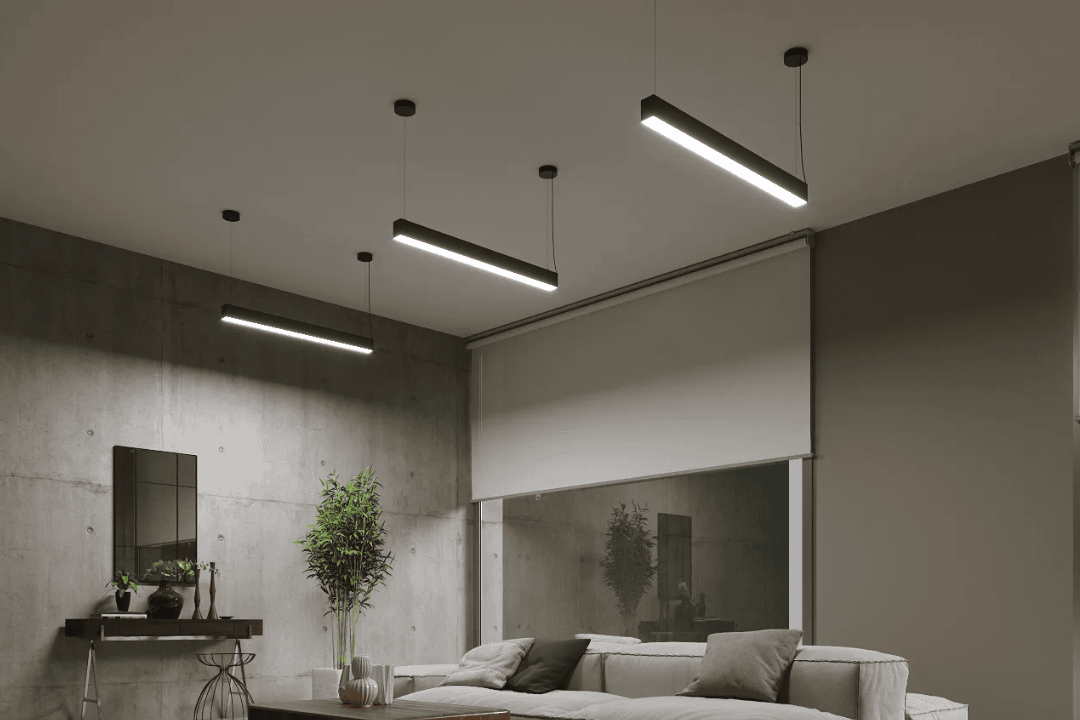
Integrated LED fixtures can feature various methods of light diffusion. Some may have frosted diffusers or opal glass to soften the light and create a uniform glow. Others might expose the LED strips or chips, particularly in designs where the light source is intended to be an aesthetic element itself, creating a more modern and sometimes dramatic effect. The choice of diffusion impacts the ambiance and the perceived quality of light.
Design Aesthetics and Material Choices
The integration of LEDs has opened new avenues for material use and structural design. Designers are no longer confined by the need to accommodate standard bulb bases, allowing for thinner profiles, more flexible shapes, and the incorporation of materials that might not withstand the heat generated by traditional bulbs.
Contemporary Interpretations of Classic Motifs
Many LED integrated chandeliers draw inspiration from historical styles, reinterpreting them with modern materials and technology. For instance, a classic branched design might be rendered in brushed nickel or matte black, with slim LED strips tracing the arms instead of holding crystal pendants. This creates a dialogue between the past and the present.
Sculptural and Minimalist Forms
Beyond reinterpretation, LED integration has also fostered entirely new design categories. Sculptural chandeliers, where the light fixture is a work of art in itself, are made possible by the flexibility of LED placement. Minimalist designs, characterized by clean lines and understated elegance, also benefit from the compact nature of integrated LEDs, allowing for very thin and unobtrusive forms.
The Role of Crystals, Metals, and Acrylics
Crystals continue to be popular, often used in conjunction with LEDs to refract and reflect light, creating dazzling effects. Metals, such as brushed nickel, polished chrome, brass, and matte black, provide structural support and contribute to the overall aesthetic. Acrylics are also employed for their lightweight properties and ability to be molded into diverse shapes, often mimicking the appearance of glass or crystal.
The Advantages of LED Integrated Chandeliers
The adoption of LED technology in chandelier fixtures offers a multitude of benefits, encompassing energy efficiency, longevity, and design flexibility. These advantages make them a compelling choice for modern interior design.
Superior Energy Efficiency
LEDs are significantly more energy-efficient than incandescent and halogen bulbs. They convert a higher percentage of electricity into light, generating less heat waste. This translates into lower electricity bills and a reduced environmental footprint.
Comparison with Incandescent and Halogen Technologies
Incandescent bulbs operate by heating a filament until it glows, a process that is inherently inefficient, with most energy lost as heat. Halogen bulbs are a variation of incandescent technology offering slightly better efficiency but still considerably less than LEDs. A typical LED bulb can consume 75-80% less energy than an equivalent incandescent bulb.
Reduced Electricity Consumption and Cost Savings
The lower power draw of LEDs directly leads to reduced electricity consumption. Over the lifespan of the fixture, these savings can be substantial, impacting household budgets positively. For commercial installations, the cumulative savings can be even more significant.
Extended Lifespan and Reduced Maintenance
LED integrated chandeliers boast an exceptionally long lifespan, often rated for 25,000 to 50,000 hours or more. This drastically reduces the need for bulb replacements, a common maintenance task for traditional chandeliers.
The Longevity of LED Components
The semiconductor components of LEDs degrade very slowly over time, unlike the filaments in older bulb types that can break or burn out. This inherent durability means that once installed, an LED integrated chandelier can provide light for many years without requiring replacement parts for the light source.
Minimizing Bulb Replacement Hassle
The inconvenience and cost associated with frequently purchasing and replacing bulbs are eliminated. This is particularly advantageous for chandeliers in high ceilings or difficult-to-reach locations, where bulb replacement can be a complex and potentially hazardous task.
Enhanced Design Flexibility and Customization
The compact size and inherent flexibility of LED technology allow designers to create innovative and often customizable lighting solutions. This manifests in a wider range of styles, shapes, and color temperature options.
Opportunities for Unique and Innovative Forms
As mentioned, the ability to embed LEDs into virtually any material and shape them into linear arrays or small points of light enables designs that were previously impossible. This allows for chandeliers that are not merely light sources but also sculptural elements.
Adjustable Color Temperature and Brightness (Dimmability)
Many LED integrated chandeliers offer dimmable functionality, allowing users to adjust the light intensity to suit different moods and activities. Furthermore, some fixtures provide adjustable color temperature, ranging from warm, cozy white to cool, crisp daylight, enhancing the versatility of the lighting.
Warm White vs. Cool White Light
Warm white light (typically 2700K-3000K) is similar to the light from incandescent bulbs and creates a cozy, inviting atmosphere, suitable for living rooms, bedrooms, and dining areas. Cool white light (typically 4000K-6500K) is brighter and more energizing, resembling natural daylight, and is often preferred for kitchens, bathrooms, and workspaces.
The Impact of Dimmability on Ambiance
The ability to dim the light output allows for fine-tuning the ambiance of a room. A softly lit chandelier can create a relaxed mood for evenings, while a fully brightened fixture can provide ample light for tasks or entertaining.
Advanced Lighting Control Options
Some high-end LED integrated fixtures can be controlled via smart home systems, offering features like scheduling, scene setting, and even color-changing capabilities, further expanding their functional and aesthetic potential.
Environmental and Safety Considerations
Beyond their functional and aesthetic benefits, LED integrated chandeliers also present advantages in terms of environmental impact and user safety. These aspects contribute to their growing popularity in sustainable and health-conscious design.
Reduced Environmental Footprint
The energy efficiency of LEDs directly contributes to a lower carbon footprint by reducing electricity consumption. Furthermore, LEDs do not contain hazardous materials like mercury, which is found in fluorescent bulbs.
Lower Energy Consumption and Greenhouse Gas Emissions
By consuming less electricity, LED fixtures indirectly reduce the demand for power generation, which often relies on fossil fuels. This leads to a decrease in greenhouse gas emissions associated with electricity production.
Elimination of Hazardous Materials
Unlike fluorescent lighting, which contains small amounts of mercury, LEDs are mercury-free. This makes them safer to handle if damaged and eliminates concerns about hazardous waste disposal.
Improved Light Quality and Reduced Glare
Modern LED technology can produce high-quality light with excellent color rendering. Many integrated fixtures are designed with diffusers and optics to minimize glare and provide a comfortable visual experience.
Color Rendering Index (CRI)
The Color Rendering Index (CRI) measures a light source’s ability to accurately reveal the colors of objects compared to a natural light source. High CRI LEDs (typically 80 or above) ensure that colors within a room appear vibrant and true, which is crucial for appreciating artwork, decor, and the overall visual appeal of a space.
Minimizing Flicker and Eye Strain
Some older or lower-quality LED products could exhibit perceptible flicker, which can lead to eye strain and headaches. However, advancements in LED driver technology have significantly reduced or eliminated this issue in reputable integrated fixtures, leading to a more comfortable visual environment.
Enhanced Safety Features
LEDs generate significantly less heat than traditional incandescent or halogen bulbs. This reduces the risk of burns upon accidental contact and also lowers the risk of heat-related damage to surrounding materials.
Lower Heat Generation
The concentrated heat produced by incandescent bulbs could pose a fire risk, especially in close proximity to flammable materials like wood or fabric. LEDs operate at much lower temperatures, mitigating these concerns.
Reduced Fire Risk
The lower operating temperature of LEDs contributes to overall fire safety within a home or building. This is a notable advantage for decorative fixtures that might be placed near ceilings or decorative elements.
Installation and Maintenance of LED Integrated Chandeliers
While the long lifespan of LEDs reduces the frequency of maintenance, initial installation and occasional cleaning are still necessary. Understanding these aspects ensures the longevity and optimal performance of the fixture.
Professional Installation Recommendations
Given that most LED integrated chandeliers are designed as complete units and may involve electrical wiring, professional installation is often recommended to ensure safety and proper function. An electrician can guarantee the fixture is securely mounted and correctly wired.
Electrical System Compatibility
An electrician will verify that the existing electrical wiring and circuit can support the power requirements of the LED fixture, although LEDs generally draw less power than older technologies. They will also ensure proper grounding.
Secure Mounting Techniques
Chandeliers can be heavy, and secure mounting is paramount for safety. Professional installers have the tools and expertise to attach fixtures to ceiling joists or use appropriate mounting hardware to support the weight and prevent the fixture from falling.
Routine Cleaning and Care
Cleaning integrated LED chandeliers is generally straightforward, but the methods will vary depending on the materials used in the fixture (e.g., crystal, metal, acrylic).
Material-Specific Cleaning Agents
For crystal components, mild glass cleaners or a mixture of water and vinegar are typically effective. Metal parts can be cleaned with a soft, damp cloth, and specialized metal polishes may be used for certain finishes. Acrylic surfaces are best cleaned with a soft microfiber cloth and a mild, non-abrasive cleaner. Harsh chemicals can damage these materials.
Avoiding Damage to LED Components
It is crucial to avoid spraying cleaning solutions directly onto the LED components or their electrical connections. Instead, apply the cleaner to a cloth and then gently wipe the fixture. Ensure the fixture is powered off before cleaning.
Troubleshooting Common Issues
While rare, minor issues can arise with LED integrated fixtures. Understanding potential problems and their solutions can help maintain performance.
Dimming Incompatibility
Some older dimmer switches may not be compatible with LED technology, leading to flickering or a lack of full dimming range. It may be necessary to replace the dimmer with an LED-compatible model.
Power Supply Issues
If the fixture fails to illuminate, the first step is to check the circuit breaker. If the breaker is fine, the issue could be with the fixture’s internal driver or connections, which may require professional attention.
Factors to Consider Before Purchasing
Selecting an LED integrated chandelier involves more than just aesthetic appeal. Several practical factors should be evaluated to ensure the chosen fixture meets the user’s needs and integrates seamlessly into their living space.
Room Size and Ceiling Height
The scale of the chandelier should be proportionate to the room it will inhabit. Overly large fixtures in small rooms can feel overwhelming, while small ones in grand spaces may look insignificant. Ceiling height also plays a role in determining the appropriate drop length of the fixture.
Scale and Proportion
A general guideline for dining room chandeliers is that their diameter should be about half to two-thirds the width of the dining table. For living rooms, the fixture’s diameter can be about one-tenth the room’s length plus width.
Drop Length Considerations
For areas where people will be walking beneath the chandelier, such as hallways or over dining tables, ensure sufficient clearance. A standard rule is to have at least 7 feet of clearance from the floor to the bottom of the fixture.
Light Output (Lumens) and Beam Angle
The amount of light a chandelier provides is measured in lumens. The beam angle influences how the light is distributed. For a general illumination fixture like a chandelier, a wider beam angle is typically desired to spread light evenly throughout the space.
Understanding Lumen Output for Different Spaces
Living rooms and bedrooms may require a lower lumen output for a softer ambiance, while dining rooms and kitchens may benefit from brighter illumination. Consider the total lumen output of the fixture and whether it adequately addresses the lighting needs of the room.
Beam Angle and Light Distribution
A narrow beam angle will create a more focused spotlight effect, whereas a wide beam angle will diffuse light over a larger area. For chandeliers, a broad, even distribution is usually preferred.
Style and Material Compatibility with Existing Decor
The chosen chandelier should complement the existing interior design style and color palette of the room. Material choices can significantly impact the overall aesthetic.
Harmonizing with Interior Design Styles
Whether the room is modern, traditional, transitional, or bohemian, selecting a chandelier that aligns with the overall style will create a cohesive and aesthetically pleasing look.
Material and Finish Choices
Consider how the finish of the chandelier (e.g., brushed nickel, polished brass, matte black) will interact with other metal elements in the room, such as hardware, furniture legs, or lighting fixtures. The transparency or color of any crystal or acrylic elements should also be considered.
Smart Home Integration and Control Features
For those who embrace smart home technology, checking for compatibility with existing systems or exploring fixtures with built-in smart features can enhance convenience and functionality.
Compatibility with Smart Hubs and Voice Assistants
If a smart home ecosystem is in place, ensure the LED integrated chandelier can be controlled by the user’s preferred smart hub (e.g., Amazon Alexa, Google Assistant, Apple HomeKit) or voice assistant.
Advanced Control Options: Scheduling, Scenes, and Color Changing
Some advanced fixtures offer features like personalized scheduling, the ability to create custom lighting scenes for different occasions, and even the option to change the color of the light, providing an added layer of personalization and functionality.
The Future of LED Integrated Chandeliers
The evolution of LED technology continues to drive innovation in lighting design, and LED integrated chandeliers are at the forefront of this transformation. Anticipated future developments promise even greater efficiency, advanced control, and novel aesthetic possibilities.
Advancements in LED Efficiency and Lifespan
Ongoing research and development in semiconductor materials and manufacturing processes are leading to increasingly efficient LEDs that generate more light with less energy. Lifespans are also expected to continue to extend.
Higher Lumens per Watt
Future LEDs will likely offer higher luminous efficacy, meaning they will produce more lumens (light output) for every watt of energy consumed. This will further reduce electricity usage and operational costs.
Even Longer Operational Lifetimes
Improvements in LED encapsulation and thermal management are expected to extend the operational lifespan of LED components even further, potentially reaching 100,000 hours or more for some applications.
Smarter and More Connected Lighting Solutions
The trend towards intelligent and connected homes will undoubtedly influence the development of LED integrated chandeliers. Future fixtures will likely feature more sophisticated sensors and integration capabilities.
Integrated Sensors for Ambient Light and Occupancy
Future chandeliers may incorporate sensors that automatically adjust brightness based on the amount of natural light available in the room or turn off when a room is unoccupied, enhancing energy savings and convenience.
Enhanced Interoperability and Customization
As smart home ecosystems mature, LED integrated chandeliers will likely offer seamless interoperability with a wider range of devices and platforms, allowing for more complex and personalized lighting control schemes.
New Design Paradigms and Material Innovations
The inherent flexibility of LED technology will continue to inspire designers to push the boundaries of what is possible in terms of form, function, and material application.
Biodegradable and Sustainable Materials
As environmental consciousness grows, there will likely be a greater emphasis on incorporating sustainable and biodegradable materials into the construction of LED integrated chandeliers, aligning with eco-friendly design principles.
Flexible and Adaptable Lighting Structures
Advancements in flexible LED strips and materials could lead to chandeliers that can change shape or adapt their light output dynamically, offering unprecedented levels of customization and visual impact.
In conclusion, LED integrated chandelier fixtures represent a sophisticated fusion of art and science in lighting. They offer a compelling combination of energy efficiency, longevity, and design versatility, enabling users to enhance their spaces with both style and substance. As technology continues to advance, these luminaires are poised to play an even more integral role in shaping the future of interior illumination.