Ever wondered if a lighting fixture could do more than just banish the dark? You’re probably thinking about how a vintage frosted glass wall lamp might just be the secret ingredient to a cozier, more inviting space. The short answer? Absolutely. These lamps bring a unique blend of diffused light and timeless style that can transform the mood of a room, making it feel warmer and more sophisticated. Let’s dive into how you can make this happen.
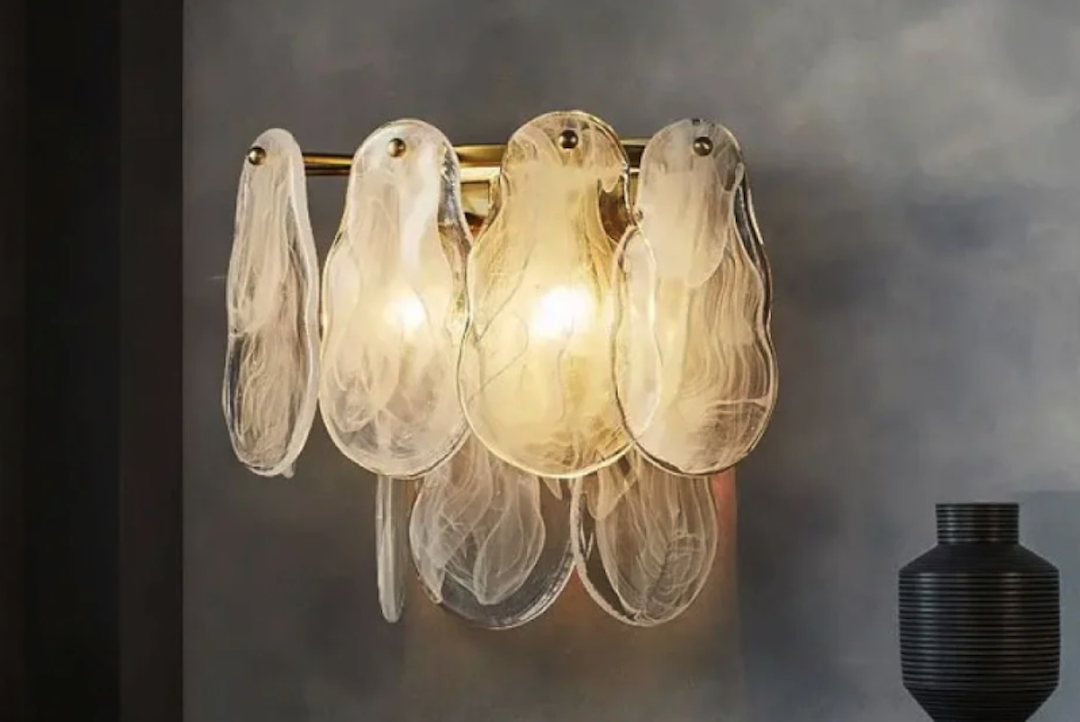
Frosted glass isn’t just frosted glass; it’s a carefully crafted material designed to soften and scatter light Mosundesign. This isn’t just about making things dimmer; it’s about creating a more gentle, less harsh illumination.
Understanding the “Frosting” Process
- Etching: The most common method involves treatments like sandblasting or chemical etching. These processes create a microscopic, rough surface on the glass that diffuses light.
- Coating: Another technique involves applying a coating to the glass. This coating can be semi-transparent and designed to achieve a similar light-diffusing effect.
The Difference Frosted Glass Makes
- Reduced Glare: Unlike clear glass, which can be very direct and even blinding, frosted glass eliminates harsh glare, making it much more comfortable for the eyes.
- Softer Shadows: The diffused light creates softer, less defined shadows, contributing to a more relaxed atmosphere.
- Visual Warmth: The way frosted glass interacts with light often lends a perceived warmth to the illumination, even before considering the bulb’s color temperature.
The “Vintage” Factor
“Vintage” in this context refers to a style that evokes earlier eras, not necessarily age itself. These lamps often feature designs and materials that were popular in the early to mid-20th century.
Design Elements to Look For
- Materials Beyond Glass: While frosted glass is key, vintage lamps often incorporate other materials like brass, bronze, nickel, or even wood for the fixture’s base and arm. The patina on these metals can add significantly to the vintage feel.
- Shape and Silhouette: Think about classic shapes. Art Deco-inspired geometric forms, classic globe styles, or more organic, nature-inspired designs can all fall under the vintage umbrella.
- Hardware Details: Small details like decorative screws, pull chains (though less common on wall lamps), or the articulation of the arm can strongly indicate a vintage aesthetic.
Why Vintage Works for Ambiance
- Nostalgia and Familiarity: Vintage designs often tap into a sense of nostalgia and familiarity, which can unconsciously make a space feel more comforting and lived-in.
- Character and Story: Unlike mass-produced modern fixtures, vintage pieces often have a history and a unique character that adds depth to your decor.
- Timeless Appeal: Certain vintage design principles have proven to be enduring, meaning these lamps can integrate well into a variety of decor styles without looking out of place.
Strategic Placement for Ambiance
Where you place your vintage frosted glass wall lamp is just as crucial as the lamp itself. It’s about creating specific moods in different areas.
Entryway Warmth
- Welcoming Glow: Position a pair of wall lamps flanking an entryway mirror or directly inside the door. This creates an immediate sense of welcome for guests and makes coming home feel more inviting.
- Guiding Light: In a longer hallway, strategically placed wall lamps can provide gentle illumination, guiding people through the space without overwhelming them.
Living Room Accents
- Reading Nooks: Mount a lamp next to an armchair or sofa to create a dedicated, cozy reading spot. The diffused light is perfect for focused tasks without straining your eyes.
- Highlighting Art or Features: Use wall lamps to cast a soft light on a favorite piece of art, a textured wall, or a decorative shelving unit, drawing attention to these elements without harsh spotlights.
- Indirect Illumination: Instead of relying solely on an overhead fixture, use wall lamps to bounce light off walls and ceilings, creating a softer, more diffused overall room light.
Bedroom Serenity
- Bedside Companions: A pair of wall lamps mounted on either side of the headboard (or one on each side of the bed) can replace bulky table lamps, freeing up nightstand space and offering a softer alternative for evening reading or general room light.
- Creating a Tranquil Mood: The gentle light is ideal for winding down before sleep, helping to signal to your brain that it’s time to relax.
Matching with the Right Bulb
The bulb you choose is a critical partner to your frosted glass wall lamp. It determines the color and intensity of the light.
Color Temperature (Kelvin)
- Warm White (2700K – 3000K): This is generally your go-to for ambiance. It mimics the warm, inviting light of traditional incandescent bulbs.
- Neutral White (3500K – 4000K): While still generally pleasant, this can start to feel a bit cooler. It might work in specific contexts where you need slightly clearer visibility.
- Cool White/Daylight (5000K+): Generally avoid these for ambiance. They can make a room feel sterile and are better suited for task lighting or areas where you need to stay alert.
Brightness (Lumens)
- Lower Lumens for Softer Light: For ambiance, you typically want lower lumen bulbs. A 40W-60W equivalent (around 450-800 lumens) is often more than enough for a bedside lamp or accent lighting in a living room.
- Consider the Fixture’s Coverage: If the lamp shade is large and the frosted glass is thick, you might need a slightly higher lumen bulb to get the desired illumination level.
- Dimmable Options: If your lamp is wired for it, or you can install a dimmer switch, this is the ultimate tool for controlling ambiance. You can adjust the brightness for different times of day or moods.
Bulb Type Considerations
- LED: The modern choice for efficiency and longevity. Look for “vintage Edison style” LED bulbs, which mimic the look of old filament bulbs with amber glass, to enhance the vintage feel.
- Incandescent (where still available): If you can find them, traditional incandescent bulbs provide a very desirable warm, ambient light. However, they are energy-inefficient and generate more heat.
- Halogen: A step up in efficiency from incandescent but still less so than LED. Can offer a good quality of light.
Integrating into Your Decor Style
A vintage frosted glass wall lamp isn’t an isolated item; it needs to converse with the rest of your room.
Complementary Styles
- Rustic Charm: The soft light and aged metal finishes (like patinaed brass or bronze) pair beautifully with natural wood, stone, and linen textures found in rustic or farmhouse decor.
- Mid-Century Modern: Clean lines of the fixtures can complement the organic forms and wood accents of MCM furniture. The diffused light adds a sophisticated layer.
- Industrial Chic: Grittier metal finishes on wall lamps can be softened by the frosted glass, providing a more refined touch to industrial-inspired spaces.
- Traditional Elegance: Classic shapes with darker metal finishes can blend seamlessly into more traditional settings, adding a touch of character without being ostentatious.
Creating Contrast and Interest
- Modern Minimalist: A single vintage wall lamp can become a statement piece in an otherwise modern, uncluttered room, adding warmth and a point of difference.
- Bohemian Eclecticism: Layering vintage pieces with a mix of textiles and colors is a hallmark of bohemian style. A frosted glass lamp can contribute to the curated, collected feel.
Coordinated Finishes
- Metals: Try to coordinate the metal finish of your wall lamp with other metal elements in the room, such as drawer pulls, picture frames, or even lamp bases. This creates a cohesive look.
- Glass Tones: While “frosted” is the descriptor, the glass itself can sometimes have a very subtle tint (e.g., a slight amber or grey). Consider how this might interact with other colored glass elements you have.
Practical Considerations for Installation and Maintenance
Beyond aesthetics, there are practical aspects to think about to ensure your lamps function well and last.
Installation Options
- Hardwiring: This is the cleanest look, where the lamp is wired directly into your home’s electrical system. It’s best for permanent fixtures and usually requires professional help.
- Plug-In: Many vintage-style wall lamps come with a cord and plug. This offers flexibility in placement and can be a DIY-friendly option, often with a decorative cord to match the style.
- Switches: Consider where the switch will be located. For plug-in lamps, it might be on the cord. For hardwired lamps, it could be a pull chain on the fixture itself or a wall switch.
Safety First
- Professional Installation: For hardwired fixtures, always err on the side of caution and hire an electrician. Improper wiring can be a serious safety hazard.
- Check Fixture Ratings: Ensure the fixture is rated for the type of location you’re installing it in (e.g., damp-rated for bathrooms, though most ambient wall lamps are for dry areas).
- Bulb Wattage Limits: Always adhere to the maximum wattage recommended by the manufacturer to avoid overheating.
Cleaning and Care
- Dusting: Regular dusting with a soft cloth is usually sufficient. Be gentle with older materials.
- Glass Cleaning: For the frosted glass, a slightly damp microfiber cloth is often all you need. Avoid harsh chemicals that could damage the frosted finish. For stubborn marks, a gentle glass cleaner can be used sparingly.
- Metal Polishing: If your fixture has metal elements, you might need to polish them occasionally. Use a polish specifically designed for the type of metal (brass, bronze, nickel) and follow the product instructions carefully to avoid damaging the patina.
By thoughtfully selecting and placing vintage frosted glass wall lamps, you can achieve a layered, inviting atmosphere that feels both stylish and deeply comfortable. It’s about harnessing light not just to see, but to feel.