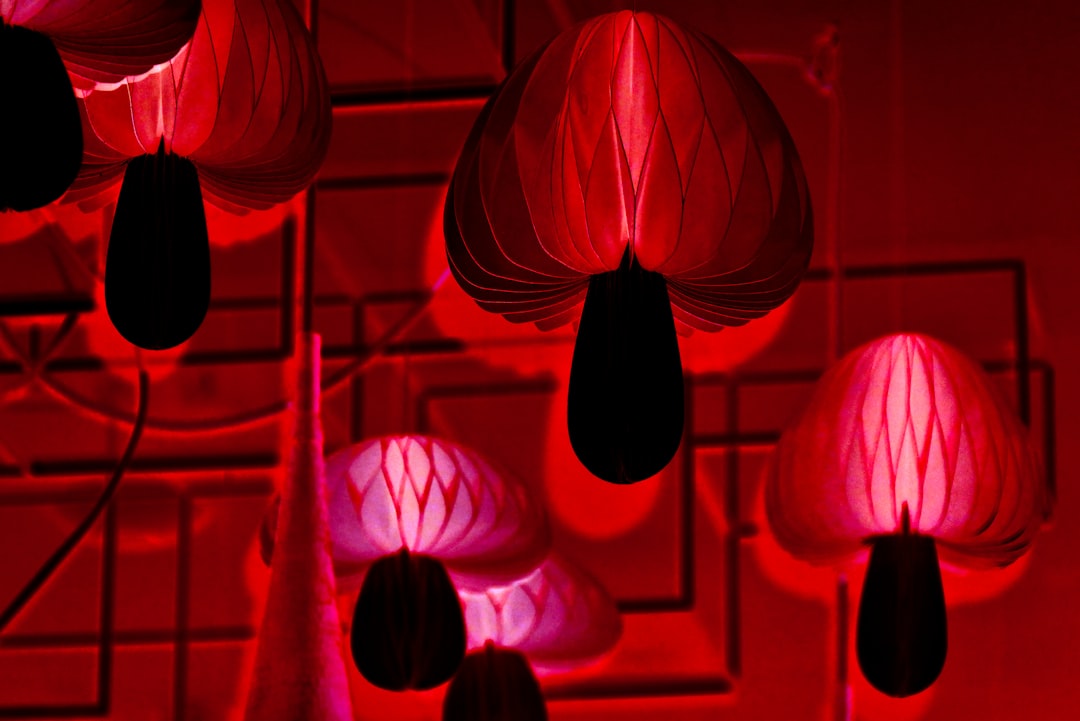
So, you’re wondering about retro seventies smoked glass mushroom lamps? Simply put, these lamps are a stylish throwback to the 1970s, characterized by their distinctive mushroom shape, often crafted from smoked or tinted glass, and emitting a warm, inviting glow. They’re not just lights; they’re a statement piece, bringing a touch of vintage charm and a cozy ambiance to any space.
Why are these lamps still so popular decades later? It’s more than just a fleeting trend. There’s a genuine affection for the era they represent and the unique aesthetic they offer.
A Nod to the Psychedelic Era
The 1970s were a time of experimentation, artistic freedom, and a fascination with nature. The mushroom lamp perfectly encapsulates this spirit. Its organic, rounded form, often reminiscent of fungi found in a whimsical forest, resonated with the era’s counter-culture and back-to-nature movements. It wasn’t about stark lines and harsh light Nuxlighting; it was about softness, warmth, and a touch of the fantastical.
The Power of Smoked Glass
The smoked glass isn’t just for show; it plays a crucial role in the lamp’s appeal. Unlike clear glass, which can create a bright, sometimes harsh light, smoked glass diffuses and mellows the illumination. This creates a softer, more ambient glow that’s incredibly inviting and relaxing. It’s less about illuminating a whole room and more about creating a specific mood and atmosphere. Think cozy evenings, intimate conversations, and a sense of calm.
A Versatile Decor Piece
Despite their distinctive style, these lamps are surprisingly versatile. They can complement a range of interior design themes, from bohemian and eclectic to mid-century modern and even minimalist spaces seeking a touch of warmth. Their compact size often makes them suitable for various surfaces, from bedside tables to sideboards and shelves.
Decoding the Design: What Makes Them “Seventies”?
It’s not just the mushroom shape. Several design elements scream “seventies” when it comes to these lamps.
The Signature Silhouette
The most obvious characteristic is the mushroom shape itself. This usually involves a rounded base that tapers upwards, culminating in a wider, domed top, much like a mushroom cap. The proportions can vary, from squat and wide to taller and more slender, but the overall form remains consistent. This organic shape was a deliberate departure from the more angular designs of previous decades.
The Hue of the Glass
While “smoked” glass is the most common, it’s not the only option. You’ll often find these lamps in various tinted glasses:
- Smoked Grey/Brown: This is the quintessential look, offering a sophisticated, almost mysterious glow. It’s a neutral that pairs well with many color palettes.
- Amber/Orange: These warmer tones enhance the cozy feel, casting a golden hue that’s particularly inviting in the evenings. They often evoke a sunset or campfire warmth.
- Green/Blue: While less common, some variations feature subtle green or blue tints, adding a touch of earthy or oceanic serenity to the lamp’s light.
Material Choices Beyond Glass
While glass is central, the base and internal structure can also vary:
- Chrome or Brass Accents: Many lamps feature metallic bases or internal stems, adding a touch of sleekness and a subtle contrast to the organic glass. Chrome was particularly popular in the 70s, giving a futuristic edge.
- Plastic Components: For more affordable or mass-produced versions, plastic bases or internal diffusers were sometimes used, often in complementary colors.
Bringing Home the Glow: Where to Find and What to Look For
So, you’re convinced you need one of these beauties? Here’s how to navigate the market.
Hunting for Originals: The Thrill of the Find
- Antiques and Vintage Stores: This is your prime hunting ground. Independent vintage shops, antique malls, and even some charity shops can yield genuine 70s pieces. Be prepared to browse and perhaps haggle a little.
- Flea Markets and Boot Sales: For the truly dedicated treasure hunter, these can offer fantastic finds at lower prices. The downside is that selection can be hit-or-miss, and you might need to clean up your purchase.
- Online Vintage Marketplaces: Websites like Etsy, eBay, and specialist vintage furniture sites are excellent resources. You’ll find a wider selection, but prices might be higher due to curation and shipping costs. Always check seller reviews and ask for detailed photos.
Modern Replicas and Homages
- Contemporary Lighting Brands: Many modern brands are reinterpreting the 70s mushroom lamp, offering new versions with updated technology (like LED compatibility) and sometimes more refined finishes. These are often easier to find and come with warranties.
- Interior Design Retailers: Larger home goods stores and online retailers will sometimes carry “retro-inspired” mushroom lamps. These are great if you want the aesthetic without the vintage hunt, but they might lack the authentic patina of an original.
What to Inspect When Buying Vintage
- Glass Condition: Check for cracks, chips, or significant scratches. Minor imperfections are part of its vintage charm, but anything that compromises the integrity or aesthetic significantly should be noted.
- Electricals: This is crucial. If buying an original, assume the wiring is old. Even if it appears to work, it’s highly recommended to have it professionally checked and rewired if necessary by a qualified electrician to ensure safety. This is an added cost to factor in.
- Base Stability: Ensure the base is sturdy and the lamp sits level.
- Overall Cleanliness: A good clean can do wonders, but check for any stubborn stains or damage that can’t be easily rectified.
- Bulb Type: Understand what type of bulb the lamp requires. Older lamps might not be immediately compatible with modern LED bulbs without an adapter, or might require specific wattages.
Practical Considerations for Your Mushroom Lamp
Beyond aesthetics, there are a few practical points to keep in mind.
Bulb Choices and Ambiance
The type of bulb you use significantly impacts the lamp’s glow:
- Incandescent Bulbs: If your vintage lamp supports them, these will give the most authentic, warm glow, but they are less energy-efficient.
- LED Edison Bulbs: These are a fantastic modern alternative. They mimic the warm glow of incandescent bulbs while being highly energy-efficient and long-lasting. Look for “warm white” or “soft white” LEDs with a lower Kelvin rating (e.g., 2200K-2700K) to achieve that cozy, yellowish light.
- Dimmable Bulbs: A dimmer switch or dimmable bulb can further enhance the ambiance, allowing you to adjust the intensity of the light to suit your mood.
Placement and Styling Tips
- Bedside Tables: Perfect for creating a soft, inviting light for reading or winding down in the evening.
- Sideboards and Consoles: A mushroom lamp can act as a sculptural element, drawing attention to a particular area.
- Shelving Units: Tucked amongst books and decorative objects, it adds an unexpected pop of vintage charm.
- Entryways: A warm glow in the entryway creates an immediate welcoming atmosphere.
- Avoid Over-Illumination: Remember, these lamps are primarily for accent lighting and ambiance, not for brightly lighting an entire room. Pair them with other light sources for overall room illumination.
- Complementary Textures: Pair the smooth glass with textured fabrics like velvet, wool, or rattan to create a rich, inviting sensory experience.
Caring for Your Vintage Gem
Once you’ve found your perfect mushroom lamp, a little care will keep it glowing for years to come.
Cleaning the Glass
- Gentle Dusting: Regularly dust the lamp with a soft, dry cloth to prevent build-up.
- Mild Cleaner: For more thorough cleaning, use a damp cloth with a very mild glass cleaner or a solution of water and a tiny drop of dish soap. Avoid abrasive cleaners that could scratch the glass or damage any finishes.
- Dry Thoroughly: Always dry the glass thoroughly with a clean, lint-free cloth to prevent water spots.
Electrical Maintenance
- Regular Inspection: Periodically inspect the cord and plug for any signs of wear, fraying, or damage. If you notice anything concerning, have it checked by a professional immediately.
- Bulb Replacement: When replacing bulbs, ensure the lamp is unplugged. Always use the correct wattage and type of bulb specified for the fixture.
Protecting the Finish
- Avoid Harsh Chemicals: Be careful with cleaning products around any metallic or painted bases, as harsh chemicals can strip finishes.
- Stable Placement: Place the lamp on a stable, flat surface where it won’t be easily knocked over, especially if it’s a valuable vintage piece.
Beyond the Lamp: Embracing 70s Design
A mushroom lamp isn’t just a lamp; it’s a gateway to appreciating the broader design trends of the 1970s.
The Return of Warmth
After decades of minimalist and stark designs, there’s a definite resurgence in popularity for warmer, more inviting interiors. The 70s aesthetic, with its emphasis on earthy tones, natural materials, and soft lighting, perfectly aligns with this desire for comfort and coziness.
Eclectic and Personal Style
The 70s were about self-expression and mixing diverse elements. A mushroom lamp fits perfectly into an eclectic decor scheme, where different eras and styles are blended to create a unique and personal space. It allows you to inject personality without committing to a full-on retro overhaul.
Sustainability and Re-use
Choosing a vintage mushroom lamp also aligns with a more sustainable approach to interior design. By giving a pre-loved item a new home, you’re reducing waste and embracing the beauty of reuse, a stark contrast to disposable trends.
In essence, the retro seventies smoked glass mushroom lamp is more than just a lighting fixture. It’s a piece of history, a mood creator, and a stylish nod to an era defined by its unique blend of natural forms and sophisticated warmth. Whether you’re a seasoned collector or just starting to dip your toes into vintage decor, these lamps offer a captivating glow that truly stands the test of time.