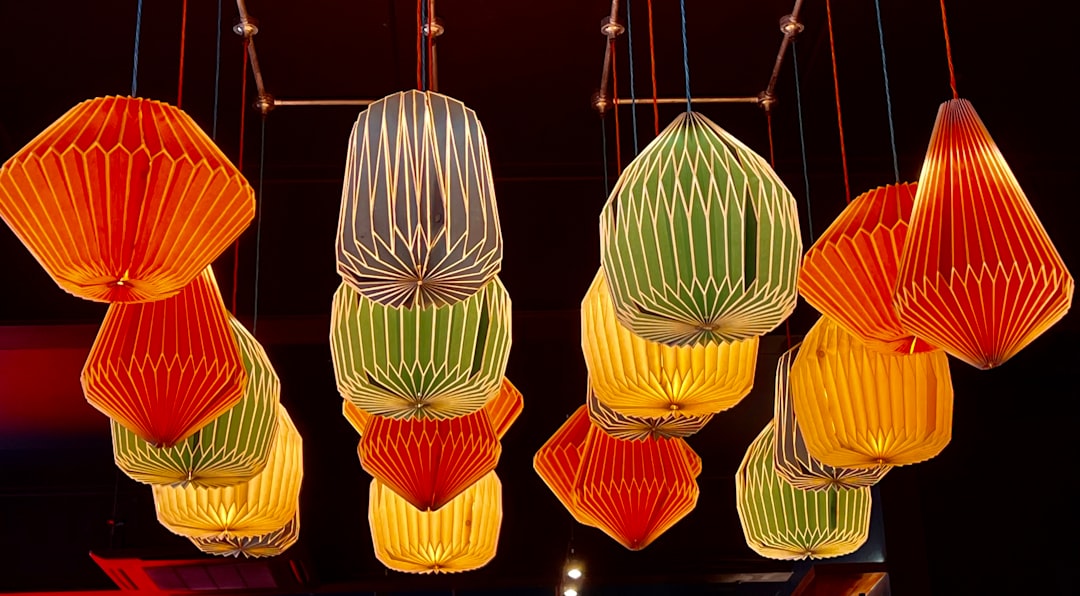
So, you’re wondering about geometric origami cafe lamps – these super cool decorative paper pendants that are popping up everywhere. To put it simply, they’re lighting fixtures crafted from paper, usually following geometric patterns similar to origami, designed to hang and create a unique ambiance, especially in cafes and homes. They’re all about blending art, light, and sustainability in a really neat way. Think less traditional lampshade, more sculptural light source.
It’s easy to see why these lamps Dylonon have gained so much traction. They offer a blend of aesthetics, customization, and a touch of eco-consciousness that many people are looking for these days.
Unique Visual Interest
Unlike your standard lampshade, geometric origami lamps are inherently eye-catching. The way the light interacts with the folds and angles creates a dynamic play of shadows and highlights, turning a simple light source into a piece of art. They’re not just functional; they’re a conversation starter. Each facet catches and diffuses light differently, leading to a much softer, more inviting glow than a plain spherical or cylindrical shade. The geometric complexity instantly elevates the space, making it feel more curated and thoughtful.
Customizable Design Potential
This is where the creativity really comes in. Because they’re often made from paper, the design possibilities are pretty much endless. From simple polygons to intricate multi-faceted structures, you can find – or even create – a lamp that perfectly suits your style and the mood you want to set.
- Shape and Form: Whether you’re after a clean, minimalist polyhedron or something more flowing and organic with complex creases, the origami technique allows for incredible variety. You can go for platonic solids for a classic, balanced look, or experiment with more abstract, irregular forms.
- Paper Choice: The type of paper used makes a huge difference. Think about texture – smooth, subtly ribbed, or fibrous. Consider translucency – some papers let more light through than others, affecting the overall brightness and warmth. Even the color of the paper, especially when illuminated, can dramatically alter the ambiance. A creamy white will give a soft glow, while a light grey might create a more industrial yet refined feel.
- Scale and Arrangement: You’re not limited to a single pendant. Imagine a cluster of smaller, varying geometric shapes at different heights, or a single large, commanding piece. The placement and grouping can further enhance the lamp’s visual impact.
Sustainable and Accessible Materials
One of the big draws is the primary material: paper. This makes them relatively eco-friendly, especially if you’re using recycled or sustainably sourced paper. Plus, paper is generally inexpensive and widely available, making these lamps a more accessible option for stylish lighting.
- Eco-Friendly Angle: Using paper reduces the reliance on plastics or metals, which can have a higher environmental footprint. When the lamp reaches the end of its life, it can often be recycled or composted, depending on the paper type and any coatings.
- Cost-Effectiveness: Compared to designer lamps made from other materials, paper origami lamps can be surprisingly affordable, whether you buy them pre-made or choose to DIY. This makes them a great option for those looking to update their decor without breaking the bank.
- DIY Potential: If you’re a crafty person, this is where these lamps really shine. There are countless tutorials and patterns available online, allowing you to create a unique piece with your own hands. This adds a personal touch that you simply can’t get from mass-produced items.
How Are These Lamps Actually Made?
Getting into the nitty-gritty, how do these beautiful paper creations come to life? It generally involves a combination of precision cutting, scoring, and folding, often with some reinforcement.
The Origami Foundation
At its heart, it’s all about origami – the art of paper folding. But it’s not always traditional, single-sheet origami. Often, these lamps are built from multiple pre-cut and pre-scored pieces that are then assembled.
- Pre-cut Panels: Many designs start with flat sheets of paper that have been precisely cut into specific geometric shapes (e.g., triangles, squares, hexagons). These cuts might be done by hand with a craft knife or, for more intricate designs, by laser cutters for perfect accuracy.
- Scoring for Folds: Before folding, lines are scored onto the paper. Scoring creates a clean, crisp fold line, which is essential for achieving sharp geometric angles. Without scoring, the paper would tear or crease unevenly, ruining the aesthetic.
- Assembly Techniques: Once the pieces are cut and scored, they are folded and assembled. This often involves tabs and slots, interlocking pieces, or a strong adhesive like craft glue. The goal is a sturdy structure that can hold its shape.
Material Considerations Beyond Basic Paper
While “paper” is the umbrella term, the specific type of paper used is critical for both aesthetics and durability.
- Weight and GSM: The weight of the paper (measured in grams per square meter, or GSM) matters. Thin paper might be too flimsy and prone to tearing, while overly thick paper can be difficult to fold precisely. A medium-heavy cardstock (around 200-300 GSM) is often a good balance.
- Acid-Free and Archival Quality: If you want the lamp to last, look for acid-free paper. Acid in paper can cause it to yellow and become brittle over time. Archival quality papers are designed for longevity.
- Translucency and Opacity: Different papers have varying degrees of light transmission. A slightly translucent vellum or tracing paper can create a very soft, diffused glow, while an opaque cardstock will direct light more, creating sharper shadows.
- Flame Retardant Options: For safety, especially in public spaces like cafes, some manufacturers use flame-retardant treated paper or apply a flame-retardant spray to the finished piece. This is a crucial safety consideration.
- Recycled and Sustainable Options: There’s a growing market for papers made from recycled content or sustainable fibers like bamboo or hemp. These choices further enhance the eco-friendly appeal of these lamps.
Integrating the Lighting Element Safely
This is paramount. You’re putting an electrical component inside a paper structure, so safety is non-negotiable.
- LED Bulbs are Key: Always, always use LED bulbs. They produce very little heat compared to incandescent or even CFL bulbs. Heat is the enemy of paper, causing discoloration, brittleness, and a significant fire hazard.
- Proper Fixture: The lamp needs a robust internal structure or a sturdy external frame to hold the bulb socket and wiring. This ensures the paper isn’t directly supporting the electrical components.
- Airflow: Good design includes sufficient space around the bulb itself for optimal airflow, even with low-heat LEDs. This prevents any heat buildup within the enclosed paper structure.
- Professional Installation (for complex setups): For intricate or ceiling-mounted fixtures, consider professional electrical installation to ensure everything is wired correctly and safely.
Where Do These Lamps Shine Brightest?
While they’re called “cafe lamps,” their versatility means they can enhance a variety of spaces.
Creating Cafe Ambiance
This is their namesake use, and for good reason. Cafes thrive on creating a welcoming, cozy, and often artistic atmosphere, and these lamps fit right in.
- Warm and Inviting Glow: The diffused light from paper often feels warmer and less harsh than direct light. This helps create a comfortable, lingering environment perfect for sipping coffee or chatting with friends.
- Artistic Focal Points: A well-designed geometric pendant can easily become a signature design element of a cafe, reflecting its brand and aesthetic. Imagine a cluster of different-sized pendants over a communal table, or a unique single piece highlighting a barista station.
- Reducing Glare: The folding and facets help to scatter light, reducing harsh glare that can be uncomfortable for patrons. This makes reading or working on a laptop more pleasant.
- Adaptability to Styles: Whether the cafe has a minimalist, industrial, Scandinavian, or even a bohemian vibe, there’s a geometric origami design that can complement it.
Elevating Home Decor
Don’t limit these beautiful pieces to commercial spaces. They can transform a home environment too.
- Living Room Statement Pieces: A large, intricate geometric pendant can serve as a stunning centerpiece in a living room, drawing the eye upwards and adding an architectural element.
- Bedroom Serenity: In a bedroom, the soft, diffused light is perfect for creating a calming and restful atmosphere. Smaller, subtle pendants can add a touch of modern elegance.
- Dining Area Conversation Starter: Over a dining table, these lamps can define the space and provide a warm, inviting glow for meals and conversations. They act as a sculptural element even when turned off.
- Kids’ Rooms with a Whimsical Touch: Depending on the design and color, geometric paper lamps can add a playful yet sophisticated element to a child’s room, away from generic cartoon decor.
- Entryway Welcome: A thoughtfully placed geometric lamp in an entryway can make a memorable first impression, signaling a home that embraces unique design.
Enhancing Event and Workspace Aesthetics
Beyond permanent fixtures, these lamps can play a role in temporary setups or creative workspaces.
- Event Styling: For weddings, parties, or corporate events, clusters of these lamps can quickly transform a venue, adding a sophisticated and custom feel without a massive budget for custom lighting. They are generally lightweight and easier to manipulate than heavy chandeliers.
- Creative Studios: In an artist’s studio or a design office, these lamps not only provide functional light but also serve as a source of inspiration, reflecting the creativity inherent in the space.
- Retail Displays: Boutiques or galleries can use these lamps to highlight specific products or areas, creating zones of interest and enhancing the overall shopping experience. The unique light can make merchandise appear more premium.
DIY Your Own Geometric Origami Lamp: Tips and Tricks
Feeling inspired to create your own? It’s a rewarding project, but a few pointers will help you succeed.
Choosing the Right Paper
This is probably the most critical material decision you’ll make.
- Strength vs. Foldability: As mentioned, aim for a GSM that’s sturdy enough to hold its shape but not so thick it cracks when folded. Cardstock (around 200-250 GSM) is a good starting point.
- Light Transmission: Experiment with small swatches first. Hold different papers up to a light source to see how much light they let through and how it affects the color.
- Texture and Finish: Matte papers tend to give a softer, more uniform diffusion. Glossy papers can create interesting reflections but might also show creases more prominently. Textured papers can add depth.
- Treatments: If possible, look for papers that are already treated for fire resistance. If not, consider a clear, non-toxic, flame-retardant spray after assembly, applied in a well-ventilated area, and allowed to fully dry.
Gathering Your Tools
You don’t need a professional workshop, but the right tools make a huge difference.
- Precision Cutting Tools: A sharp craft knife (like an X-Acto knife) is essential. A self-healing cutting mat protects your surfaces and helps with precise cuts. A metal ruler is crucial for straight edges.
- Scoring Tools: A scoring stylus, a bone folder, or even a dull butter knife can be used to score paper. This creates a groove that makes for a crisp, clean fold.
- Adhesive: A strong, fast-drying craft glue is usually best. Look for one that dries clear and doesn’t warp paper. Hot glue can work for quick assembly but can be bulky. Double-sided tape can also be effective for certain designs.
- Reference Materials: A good template or pattern is invaluable. Look for free printables online or consider purchasing a design. Watch video tutorials to see techniques in action.
- Safety Gear: Gloves (to keep paper clean), and potentially safety glasses if using a knife extensively.
Step-by-Step Practical Advice
Let’s break down the process into manageable chunks.
- Start Simple: Don’t pick the most complex design for your first attempt. A simple polyhedron with fewer facets is a great way to learn the basics of cutting, scoring, and assembly.
- Print and Test: Print your template on regular printer paper first. Cut and fold a small practice piece to understand the mechanics before committing to your final, more expensive paper.
- Measure Twice, Cut Once: This old adage is true for paper crafts. Accuracy is paramount for geometric designs. A millimeter off can throw the entire shape out of whack.
- Score Before Folding: Always score your fold lines first. Apply just enough pressure to create a crease without tearing the paper.
- Fold With Precision: Use your bone folder or ruler to press down firmly and evenly along the scored lines to get sharp, clean folds.
- Assemble Carefully: Work systematically. Glue one tab at a time, ensuring proper alignment before moving to the next. Give glue ample time to dry. Clamps or clips can be useful for holding pieces in place while drying.
- Choose the Right Light Kit: Purchase a pendant light kit that is designed for DIY lampshades. Ensure the bulb socket is appropriate for LED bulbs and that the cord length suits your needs.
- Secure the Structure: Think about how the finished paper structure will attach to the light fixture. Many designs incorporate an opening at the top that can simply slide over a standard pendant light’s bulb socket ring, or be secured with small clips. Ensure the paper isn’t bearing the weight of the electrical components, only shading the light.
- Safety First (Again!): Reiterate the rule of LED bulbs. Ensure there’s adequate ventilation around the bulb and that the paper won’t touch the bulb. If you’re unsure about the electrical aspect, consult an electrician or purchase a pre-assembled light kit.
Longevity and Care for Your Paper Pendant
Once you have one of these beautiful lamps, how do you keep it looking good?
Dusting and Cleaning
Paper isn’t as robust as metal or glass, so a gentle approach is needed.
- Regular Dusting: The best way to keep it clean is to prevent dust buildup. Use a soft, dry microfiber cloth or a feather duster regularly. For more intricate designs, a soft brush (like a clean makeup brush) or a can of compressed air can get into nooks and crannies.
- Avoid Liquids: Do not use wet cloths or liquid cleaners. Paper and water don’t mix, and liquids can cause warping, discoloration, or structural damage.
- Gentle Vacuuming: If dust has really settled in, you can use a vacuum cleaner with a brush attachment on its lowest setting, holding it slightly away from the paper to avoid tearing.
Protecting from Damage
A few preventative measures can extend the life of your lamp.
- Location Matters: Avoid placing your lamp in areas of high humidity (like directly above a shower) or direct sunlight. Humidity can cause warping and sagging, while direct sunlight can fade colors and make paper brittle.
- Keep Away from Heat Sources: Even with LED bulbs, common sense applies. Don’t place the lamp directly above a radiator, fireplace, or other significant heat source.
- Handle with Care: When moving or adjusting the lamp, handle it gently, supporting its structure. Avoid gripping delicate folds directly.
- Pet and Child Proofing: If you have curious pets or small children, consider placing the lamp out of their reach to prevent accidental damage. A batted cat or a curious toddler can quickly re-engineer your origami creation.
Addressing Minor Wear and Tear
Sometimes accidents happen, or time takes its toll.
- Minor Tears: For small tears, a tiny dab of clear craft glue (applied with a toothpick) can often repair the damage discreetly. Place a piece of wax paper or parchment paper on the inside and outside to hold it while drying if possible.
- Reshaping: If the paper starts to sag slightly due to humidity, sometimes gently coaxing it back into shape by hand can help. For serious warping, it might be challenging to fully restore.
- Discoloration: If the paper starts to yellow, especially if an incandescent bulb was mistakenly used, it’s often irreversible. This highlights the importance of LED bulbs. In some cases, if only a small section is discolored, it might be possible to carefully replace a single panel if the design allows for it.
Geometric origami cafe lamps offer a beautiful blend of art, functionality, and sustainability. Whether you’re buying one ready-made or crafting your own, they provide a unique way to brighten and personalize any space, adding a handmade touch that feels both modern and timeless. Just remember to prioritize safety with LED bulbs and give your paper creation a little gentle care, and it will shine bright for years to come.