So, you’re looking to add a touch of industrial chic to your home, and a bar counter pendant light is on your radar. Specifically, you’re eyeing a concrete one. Good call! These lights are fantastic at bringing that raw, urban edge many people love, creating a captivating focal point over your bar, kitchen island, or even a dining table. They offer a unique blend of ruggedness and modern design, making them a versatile choice for various interior styles. No more guessing – let’s dive into the specifics of why a concrete industrial-style pendant light might be just what your space needs.
Concrete, often associated with construction and urban landscapes, has surprisingly found its footing in interior design. It’s not just for foundations and sidewalks anymore; it’s a statement material that exudes a certain understated cool. The beauty of concrete lies in its imperfections, its subtle textures, and its ability to ground a space with its visual weight.
The Allure of Raw Materials
We’re seeing a definite shift towards embracing raw, authentic materials in home decor. Think exposed brick, reclaimed wood, and yes, concrete. These materials tell a story; they have character that polished, manufactured surfaces often lack. A concrete pendant light Banlulu isn’t trying to be something it’s not. It’s honest, direct, and unapologetically itself. This authenticity resonates with many, creating a more genuine and lived-in feel in their homes.
Versatility in Design Styles
While “industrial” is in the name, a concrete pendant light can surprisingly adapt to more than just a loft apartment. Sure, it’s a perfect match for that exposed ductwork and brick wall vibe. But it also plays nicely with minimalist interiors, offering a contrasting texture. It can add an unexpected edge to a Scandinavian-inspired space or even a touch of modern grit to a traditional setting. The key is how you integrate it with the surrounding elements.
Choosing Your Concrete Pendant: What to Consider
Picking out the right concrete pendant involves more than just liking the look. There are practical aspects to think about to ensure it suits your space and lighting needs.
Size and Scale: Don’t Overwhelm Your Space
This is crucial. A massive concrete pendant light hanging over a tiny bar counter will look out of place and visually heavy. Conversely, a minuscule light above a sprawling island will get lost.
Measuring Your Counter/Island
Grab a measuring tape! For a bar counter, you generally want the light’s diameter (or the total width of multiple lights if you’re going for a cluster) to be roughly one-third to two-thirds the width of your counter. This isn’t a hard and fast rule, but it’s a good starting point. For longer islands, consider a series of smaller pendants or a linear fixture to distribute light evenly.
Ceiling Height Matters
Taller ceilings can handle larger, more dramatic fixtures. Lower ceilings might require something more compact to avoid making the space feel cramped. Remember, you want adequate clearance for people to sit comfortably below without bumping their heads.
Fixture Type: Single or Multi-Light?
The decision between a single statement pendant or a series of smaller ones often depends on the length of your bar or island and the desired aesthetic.
The Singular Statement
A single, larger concrete pendant can become a powerful focal point. It’s often chosen for shorter bar counters or to make a bold design statement in a more minimalist setting. The simplicity of a single fixture allows the raw beauty of the concrete to truly shine. It screams “less is more” in the best way possible.
The Dynamic Duo or Trio
Multiple smaller concrete pendants, hung in a row or at varying heights, can provide more even illumination across a longer surface. This also creates a more dynamic and visually interesting arrangement. You can experiment with different drop lengths to add another layer of design appeal, making the space feel more curated and less formulaic.
Concrete Finish: From Smooth to Textured
Not all concrete is created equal! The finish can significantly impact the overall look and feel of the light.
Polished and Refined
Some concrete pendants feature a smoother, more polished finish. This offers a slightly more sophisticated take on the industrial look, making it blend seamlessly into more modern or contemporary interiors. It might have a subtle sheen, hinting at a more deliberate crafting process.
Raw and Rugged
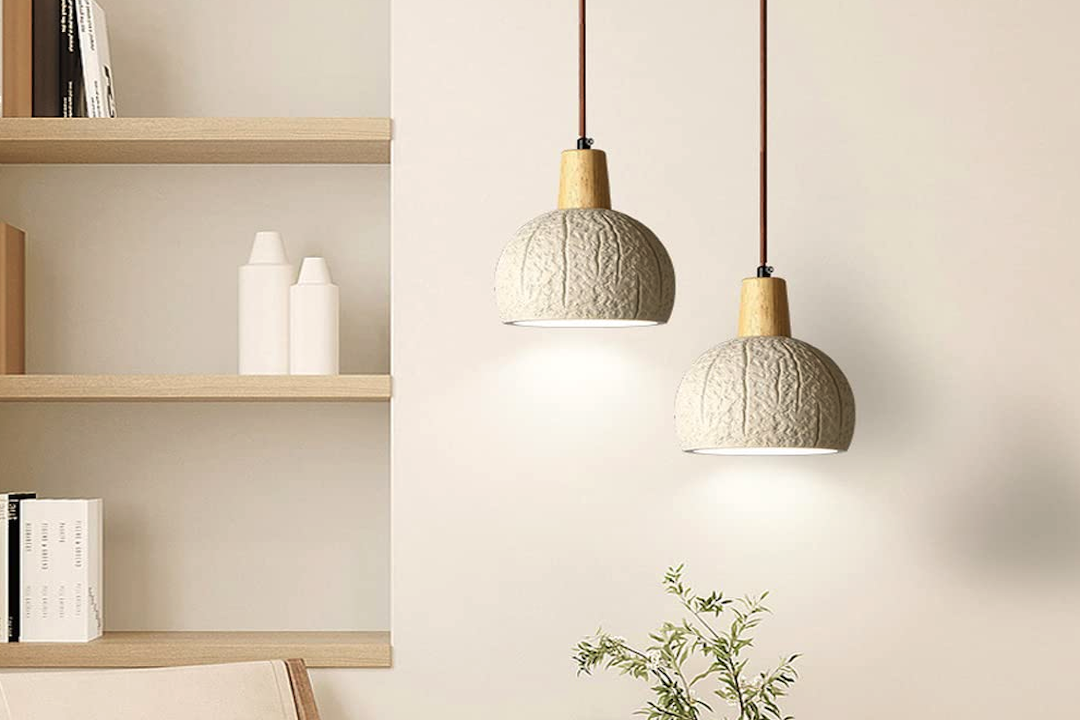
On the other end of the spectrum are pendants with a more raw, textured finish. These often showcase the natural imperfections, tiny air bubbles, and variations in color that are inherent to concrete. This authenticity is highly sought after for a truly gritty industrial vibe, and it adds depth and character to the fixture.
The Glow of the Bulb: Lighting Considerations
While the concrete shade provides the aesthetic, the bulb dictates the actual lighting experience. Don’t underestimate its power to transform the mood of your space.
Bulb Type: LED is Your Friend
Gone are the days when incandescent was your only real option. LEDs are the go-to choice now, and for good reason.
Energy Efficiency and Longevity
LEDs consume significantly less energy than traditional bulbs, which means lower electricity bills. They also last a remarkably long time, saving you the hassle and cost of frequent replacements. This is practical and environmentally conscious – a win-win.
Warmth and Brightness Options
LEDs come in a vast array of color temperatures, measured in Kelvin (K). For a cozy, inviting bar area, aim for warmer temperatures (2200K-3000K), which mimic the traditional glow of an incandescent bulb. If you prefer a brighter, more focused task light, especially if your bar also serves as a prep area, you might opt for something in the 3500K-4000K range. Also, consider the lumen output for brightness – a higher lumen count means more light.
Dimmers: The Ultimate Mood Setter
If there’s one accessory you absolutely need with your bar counter pendant light, it’s a dimmer switch.
Setting the Scene
A dimmer allows you to adjust the light output from bright task lighting for meal prep or reading, to a soft, ambient glow for entertaining or a relaxed evening. This versatility is invaluable, transforming the atmosphere of your space with a simple flick or slide. It literally sets the mood, creating intimacy or vibrancy as needed.
Energy Savings (Again!)
Dimming your lights also extends the lifespan of your bulbs even further and reduces energy consumption, adding another practical benefit to this essential feature.
Installation and Placement: Getting it Right
Even the most beautiful light won’t look good if it’s hung improperly. A few practical considerations here will make all the difference.
Optimal Height: Avoiding Head Bumps
This is a common mistake. You want your pendant light to illuminate your bar counter effectively without being in the way.
The 30-36 Inch Rule
A good general guideline is to hang the bottom of the pendant light roughly 30 to 36 inches (or about 75-90 cm) above the surface of your bar or island. This allows for ample headroom, prevents glare, and ensures the light is focused where you need it. However, always test it out before final installation – if you have particularly tall family members or often host guests with varying heights, you might need to adjust slightly.
Consider Your Own Eye Level
When seated or standing at your bar, the light fixture shouldn’t obstruct your view across the counter to someone on the other side. Do a quick eyeball test before drilling.
Professional Installation: When to Call for Help
While many pendant lights are DIY-friendly, especially if you’re replacing an existing fixture, don’t hesitate to call an electrician if you’re unsure.
New Wiring or Complex Setups
If you’re installing a light where there was no fixture before, or if you’re dealing with multiple pendants on a single circuit, an electrician can ensure everything is wired safely and to code. Electrical work isn’t something to guess at.
Safety and Peace of Mind
An electrician will ensure your light is properly grounded, securely mounted (especially important for a heavier concrete fixture), and complies with all safety regulations. It’s a small investment for your peace of mind and the safety of your home.
Styling Your Space Around the Concrete Pendant
Once your concrete pendant is up, it’s time to bring the rest of the room into harmony. The light itself is a statement, so think about how other elements can complement or contrast with it.
Complementary Materials and Textures
To reinforce the industrial aesthetic, incorporate other materials that share its raw, robust nature.
Wood: Warmth and Contrast
Reclaimed wood or wood with a prominent grain can beautifully soften the hard edges of concrete. Think wooden bar stools, a rustic cutting board, or open shelving with raw wood planks. The warmth of wood provides a welcoming contrast to the cool tones of concrete.
Metal Accents: Echoing the Edgy Vibe
Black metal, aged brass, or brushed steel elements can echo the industrial feel without overwhelming the space. Consider metal bar stool frames, shelving brackets, or even decorative objects like industrial-style storage baskets. These metals perfectly align with the raw, mechanical spirit of the concrete pendant.
Leather Upholstery: A Touch of Sophistication
Leather, especially in darker, more distressed finishes, pairs incredibly well with concrete and metal. It adds a layer of warmth, depth, and sophistication, preventing the space from feeling too cold or stark. Think leather-upholstered bar stools or a decorative leather tray.
Color Palettes: From Bold to Understated
The concrete pendant, being largely neutral, offers a fantastic base for various color schemes.
Monochromatic and Neutral Tones
For a sleek, minimalist industrial look, stick to a palette of grays, blacks, whites, and off-whites. This allows the textures of the concrete and other materials to really stand out. Varying shades of these neutrals will create interest without introducing competing colors.
Pops of Rich Color
If you want to inject some vibrancy, a concrete pendant can ground bolder choices. Think deep blues, forest greens, or even a burnt orange as accent colors in your bar stools, artwork, or decorative accessories. The concrete light will provide a stable, neutral anchor, allowing those pops of color to truly sing without overpowering the space.
Greenery: Bringing Life to the Industrial
Industrial spaces can sometimes feel a bit stark. Plants are the perfect antidote to this.
Softening Edges and Adding Organic Form
Trailing plants like Pothos or Philodendron, or architectural plants like Snake Plants or ZZ Plants, add a much-needed organic touch. The soft curves and natural greens provide a beautiful contrast to the rigid lines and cool tones of concrete. They bring life and freshness, making the space feel more inviting and less sterile.
Strategic Placement
Hang a plant near the pendant, place a potted herb garden on the bar, or set a larger floor plant nearby. The visual impact of greenery is undeniable, turning a potentially severe industrial space into a welcoming oasis.
Maintenance of Your Concrete Pendant
One of the great things about concrete is its durability and low maintenance.
Basic Cleaning
For most concrete pendants, a simple wipe-down with a damp cloth is all you’ll need.
Dusting and Light Wipes
Dust will accumulate just like on any other fixture. Use a soft, dry cloth or a duster for regular cleaning. If there are any smudges or light marks, a slightly damp cloth (using only water) should suffice. Avoid harsh chemical cleaners, as these can potentially damage the concrete finish or leave streaks.
Handling and Care
Concrete is strong, but it’s not indestructible.
Avoiding Impacts
While durable, a strong impact could potentially chip or crack the concrete. Be mindful during installation and when moving furniture around it. Once it’s securely in place, it should be fine, but it’s worth remembering.
Natural Aging
Embrace the fact that concrete, like many natural materials, might subtly change over time. It might develop a slight patina or show minor signs of wear, which often adds to its character rather than detracting from it. This contributes to the authentic, lived-in feel that is so prized in industrial design.
So there you have it. A concrete industrial-style bar counter pendant light isn’t just about illuminating a space; it’s about making a deliberate design choice. It’s about texture, authenticity, and a grounded aesthetic that can transform an ordinary bar area into a captivating focal point. By considering the size, finish, lighting, and how you style the surrounding elements, you can create a space that feels uniquely yours – stylish, practical, and undeniably cool.